
Hawaiʻi is having an important conversation about our economic future, workforce development and role in a rapidly evolving Indo-Pacific region. As that discussion continues, clarity matters.
Language used in industry and government settings doesn’t always translate seamlessly into everyday conversation. In Hawaiʻi, where military-related topics naturally prompt thoughtful questions, clear explanations help support informed and productive dialogue.
So what does advanced manufacturing actually mean here at home?
In Hawaiʻi, advanced manufacturing capability looks like students learning modern skills, local workers training for high-wage careers and new technologies being used to strengthen industries we already depend on, from aerospace to maritime repair to disaster resilience.
At its core, this is about workforce development.
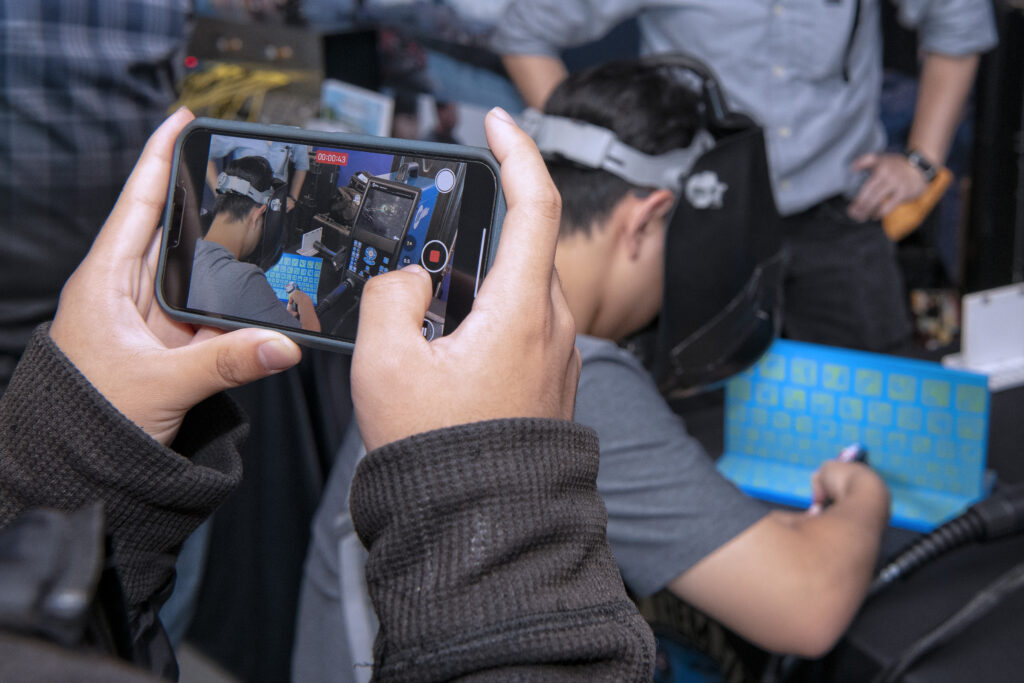
Consider what is happening right now at Honolulu Community College, where the state has invested in advanced manufacturing training programs that teach skills like additive manufacturing, precision machining and digital production techniques. These are the same tools being used across the global economy — in aviation, healthcare equipment, clean energy systems and industrial repair.
This is not theoretical. It is local. It is practical. And it is creating pathways for Hawaiʻi residents into careers that cannot be outsourced easily.

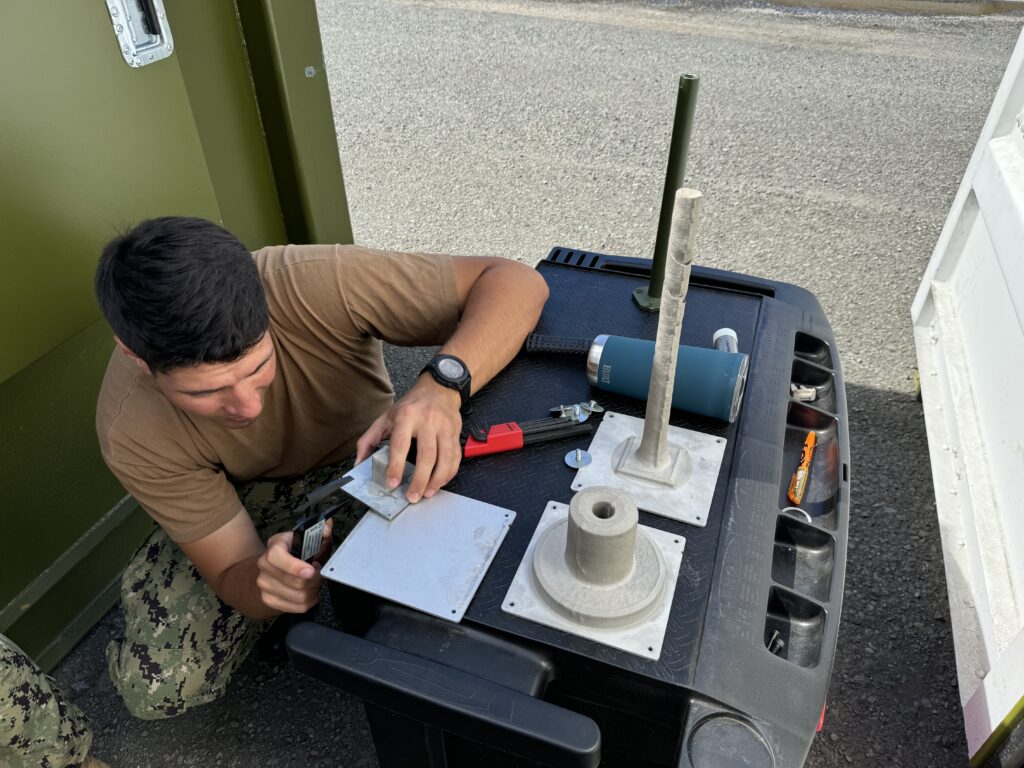
Another example is the growing focus on additive manufacturing, often known as 3D printing, which allows specialized components to be produced quickly and efficiently. In island environments like Hawaiʻi, where shipping delays and supply disruptions can have outsized impacts, being able to prototype and produce certain parts locally offers resilience.
That is what dual-use innovation means: technology that supports both civilian needs and broader regional stability.
The same advanced manufacturing techniques that strengthen aerospace supply chains can also support emergency response systems, maritime industries, renewable energy infrastructure and critical repairs when global logistics falter.
In other words, this is about building local capability in a world where supply chains are increasingly fragile.
And that reality matters.
Hawaiʻi’s economy depends on systems that run across the Pacific: shipping, tourism, fuel, communications and global trade. In moments of disruption, whether from geopolitical instability, natural disaster or economic shock, island states feel the impact first and hardest.
Strengthening our local workforce and industrial capacity is part of being prepared.

The opportunity in front of Hawaiʻi is not about becoming something we are not. It is about investing in what we should be: a place where local people gain access to modern skills, where innovation supports the broader economy and where dual-use technologies strengthen resilience across civilian industries.
If we want Hawaiʻi to thrive in the decades ahead, we need to build pathways for our workforce, strengthen our role in advanced sectors and communicate clearly about what these efforts truly involve.
Advanced manufacturing in Hawaiʻi means prototyping, components, additive manufacturing and workforce development.
It means local talent, local opportunity and local resilience.
And it deserves to be understood on those terms.